
Jimmy Stephens states:
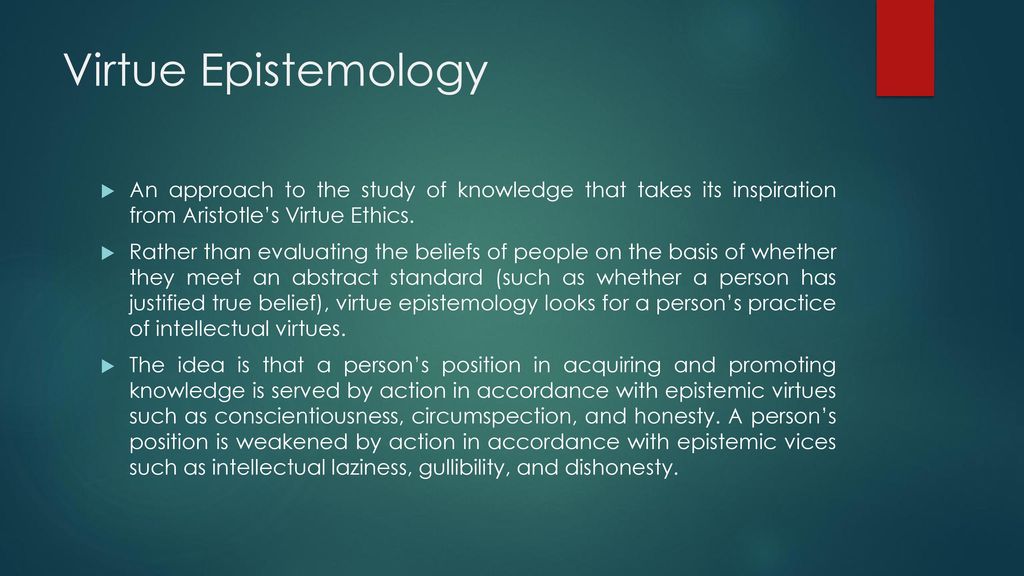
This theory requires that epistemic virtues are distinguishable from vices. Further, in order for the theory to be consistent, knowing the difference should just involve exemplifying the virtues.
The problem is that this question is metacognitive in nature. Knowing that epistemic virtues vs vices is a real difference and what exactly it constitutes requires me to reflect upon and know how I know that. This creates a dilemma.
If the virtue theorist rejects metacognition, then he can never know the theory is true even granted he could know a thousand other things on the theory.
If the virtue theorist defines or conceives of epistemic virtue in such a way that said virtues just include relevant internal criteria by which we can introspect on how we know virtue from vice, then it’s no longer a (mere) externalist theory. It will then no longer intrinsically compete with Christian epistemology and, insofar as it is supposed to be secular, will need to provide an account how the relevant traits (read: virtues) integrate with the relevant criteria (rules for metacognition).
 The Council