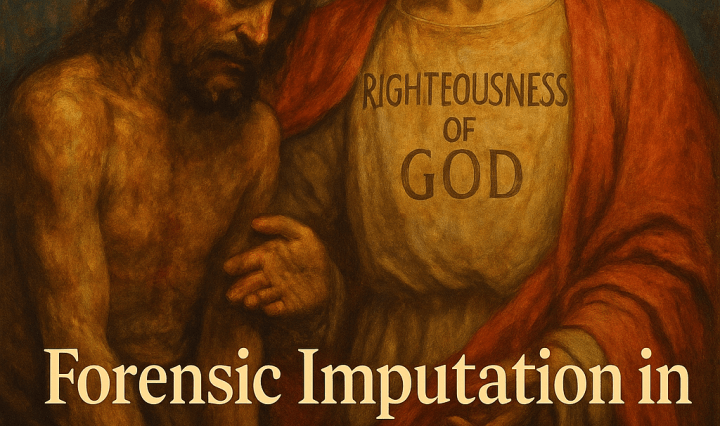
Forensic Imputation in 2 Corinthians 5:21: A Response to Ybarra’s Ontological Interpretation

In his exegesis of 2 Corinthians 5:21, Erick Ybarra argues against the traditional Protestant understanding of forensic imputation, proposing instead that Paul teaches ontological transformation through union with Christ. According to Ybarra, Christ was “made sin” by assuming the Adamic … Continue reading Forensic Imputation in 2 Corinthians 5:21: A Response to Ybarra’s Ontological Interpretation

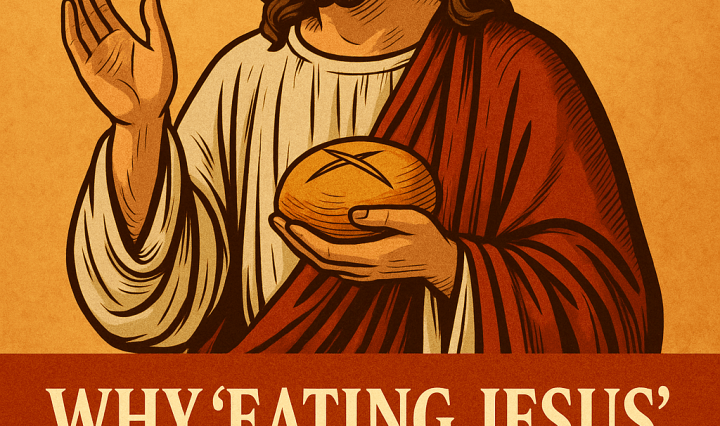
Why ‘Eating Jesus’ Means Believing: A Biblical Answer to Ferris

📖 Series: Responding to Ferris on John 6 Analysis of Ferris’s Eucharistic Interpretation: Challenges and InconsistenciesA final critique addressing logical, doctrinal, and scriptural inconsistencies in Ferris’s view. Metaphorical Musings: Analyzing Ferris’ Approach to John 6 in “How to Be Christian”An … Continue reading Why ‘Eating Jesus’ Means Believing: A Biblical Answer to Ferris

How Not to Read Romans: A Response to Ferris (How to Be Christian)

Part 1: The Context and Logic of Romans 8:28–30 — Who Is Paul Talking About? Ferris’s Core Claim Ferris repeatedly insists that Romans 8:28–30 is not making a definitive theological claim about the nature of salvation. Instead, he claims Paul … Continue reading How Not to Read Romans: A Response to Ferris (How to Be Christian)

The Evolution of Papal Infallibility: A Critical Examination of Modern Theories and Historical Challenges

In discussing the evolution of the doctrine of papal infallibility, it’s essential to recognize the various theories that have emerged over time. This article explores the shift from a broader understanding of papal authority as defined in Vatican I to … Continue reading The Evolution of Papal Infallibility: A Critical Examination of Modern Theories and Historical Challenges